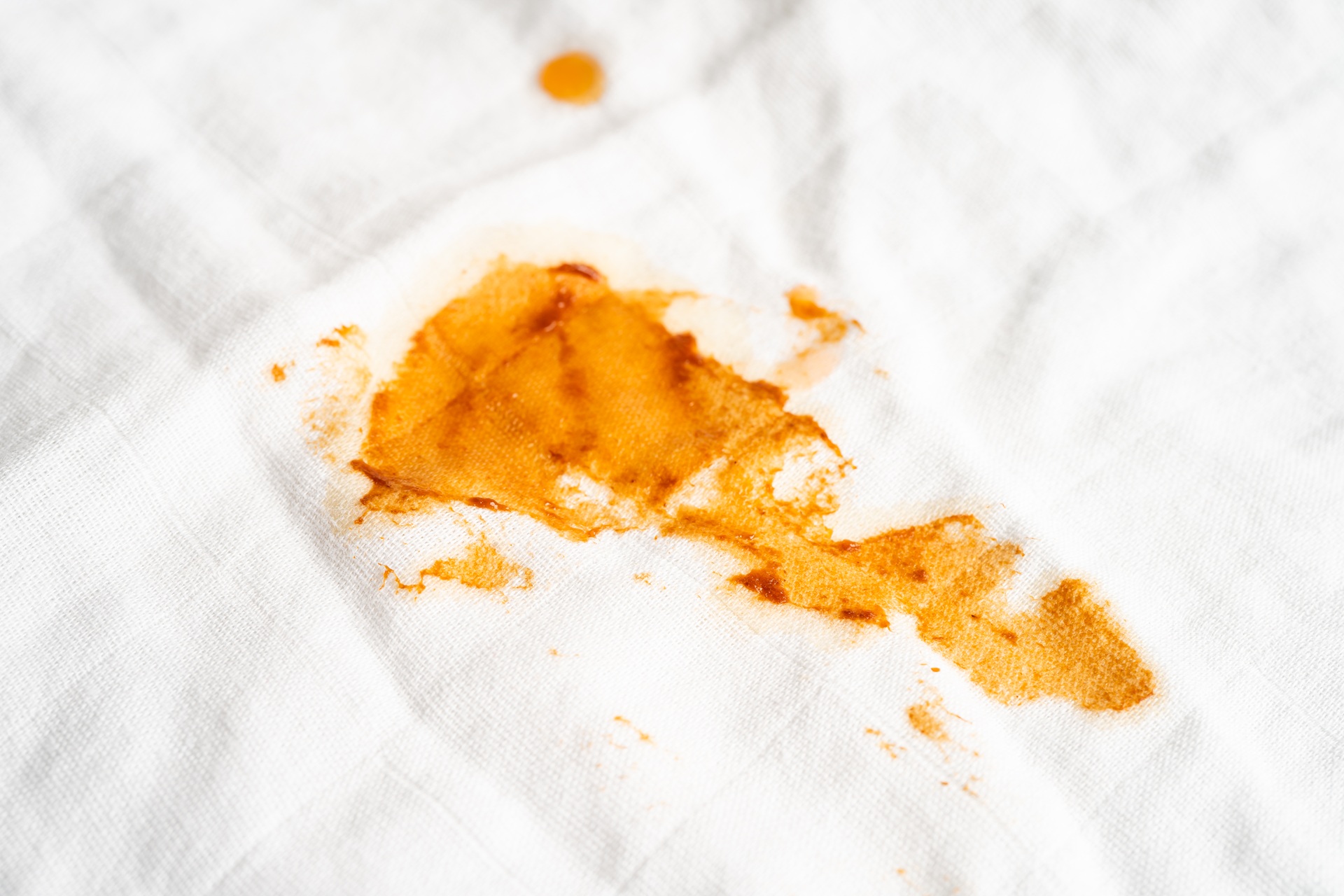
You followed the same routine you always do, same machine, same detergent. And yet this time, the stain didn’t budge. When that’s the case, it’s usually a sign that something deeper is going on inside the fabric, something regular laundry just isn’t designed to handle, even when you’re using the best detergent on the shelf.
That’s where things start to feel confusing and frustrating. To get clear answers, the sections ahead explains why certain stains refuse to wash out and when it makes sense to stop guessing and consider dry cleaning instead.
Most people assume water is the universal solution for stains, but that assumption is exactly where many laundry problems begin. Some of the most common stains people struggle with aren’t water-based at all, which means washing them over and over won’t help.
In fact, water can push these stains deeper into the fabric, making them harder to remove each time. This is especially true for everyday messes that don’t look complicated at first glance. When a stain won’t budge after a normal wash, it’s often because the chemistry of the stain doesn’t match the cleaning method being used.
Oil and grease stains do not dissolve in water. Cooking oil, salad dressing, makeup, motor oil, lotion, and many food stains fall into this category. Washing these stains with water forces oil to interact with something it naturally repels.
Here’s what actually helps:
Dry cleaning uses chemical solvents that attach to oil molecules, lifting them out of the fabric instead of spreading them around.
Warm and hot temperatures change how stains interact with fabric fibers, sometimes locking them in for good. This is one of the most common reasons a stain goes from “barely noticeable” to “permanent.”
Dryers, steam irons, and hot wash cycles all apply heat in ways that can chemically alter a stain. Once that happens, even professional treatments become more difficult. Once heat is involved, stains behave differently. Knowing this helps protect your clothes.
Heat causes certain stains, especially protein-based ones like sweat, blood, dairy, and eggs, to coagulate. Think of it like cooking an egg in a pan. Once it solidifies, reversing that process becomes extremely difficult.
To avoid heat-related damage:
Professional dry cleaners use controlled temperatures and stain-specific treatments, which helps prevent heat from locking stains into place prematurely.
Some fabrics naturally hold onto stains due to their structure or texture. In these cases, stain removal depends less on effort and more on fabric science. Delicate and textured fabrics can hide stains deep within their fibers, even when the surface looks clean. Repeated washing won’t reach those trapped areas and may damage the fabric in the process.
Certain fabrics are especially prone to holding onto stains:
For these materials, aggressive washing often does more harm than good. Dry cleaning avoids fiber swelling and excessive agitation, which makes it a safer choice for structured, delicate, or textured garments.
Time changes stains in visible and chemical ways. Even a minor stain can transform with exposure to air, light, and heat. Oxidation causes many older stains to turn yellow, brown, or faintly shadowed after washing.
At that point, detergent alone usually isn’t enough to reverse the damage. Early action helps, but the right method can still make a difference later..
As stains age, oxygen reacts with their molecules, causing color changes and stronger bonds with fabric fibers. This is common with spills like wine, coffee, deodorant, and sweat.
Helpful guidelines:
Dry cleaners often use specialized agents and controlled processes to break down oxidized stains that home laundering can’t touch.
Home laundering has limits, and knowing when you’ve reached them is part of good garment care. Some stains, fabrics, and situations simply require professional tools and expertise. Dry cleaning is about using the right solution for the problem at hand. When home methods stop improving the stain, continuing to wash usually causes more harm than good.
You should strongly consider dry cleaning when:
Professional dry cleaners assess stain type, fabric, and history before treatment. That expertise, combined with solvent-based cleaning, is why dry cleaning is often the safer next step, not a last resort.
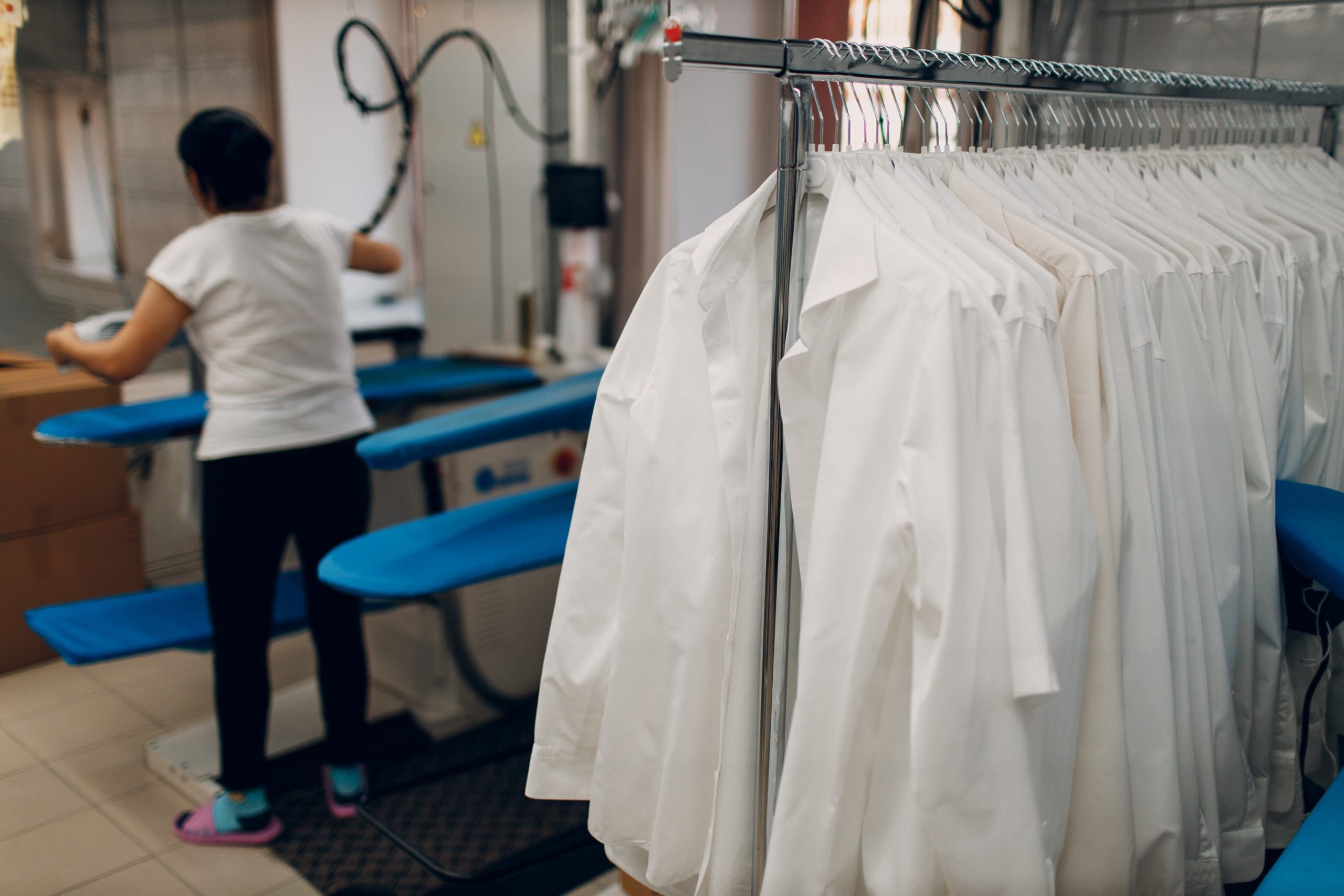
Knowing when to stop washing is part of smart garment care, especially when repeated laundry cycles only make a stubborn stain harder to remove. At Sunny Cleaners, we use refined methods for cleaner results, blending advanced dry cleaning with professional wet cleaning techniques so each garment gets the exact care it needs.
By choosing between gentle, water-based cleaning and a modern, perc-free hydrocarbon solvent process, we protect fabrics, preserve structure, and deliver reliable stain removal without harsh odors or unnecessary wear.
If a stain has reached the point where home care isn’t helping, call us at 843-977-6256 today to book your Dry Cleaning Service in Myrtle Beach, South Carolina, or schedule pickup and let our team take it from here with confidence and care.